Trusted AC Repair Experts in Calgary
Understanding HVAC: Understanding Common Repairs and Expert Techniques for Efficiency
Understanding HVAC systems requires an extensive understanding of their components and frequent issues. Homeowners can profit from recognizing signs that indicate malfunction, as well as knowing when to undertake repairs themselves. Regular maintenance serves a crucial role in extending system life and efficiency. However, the decision to upgrade or seek professional assistance can be daunting. Understanding these aspects can bring about improved comfort and energy savings. What strategies can truly enhance efficiency?
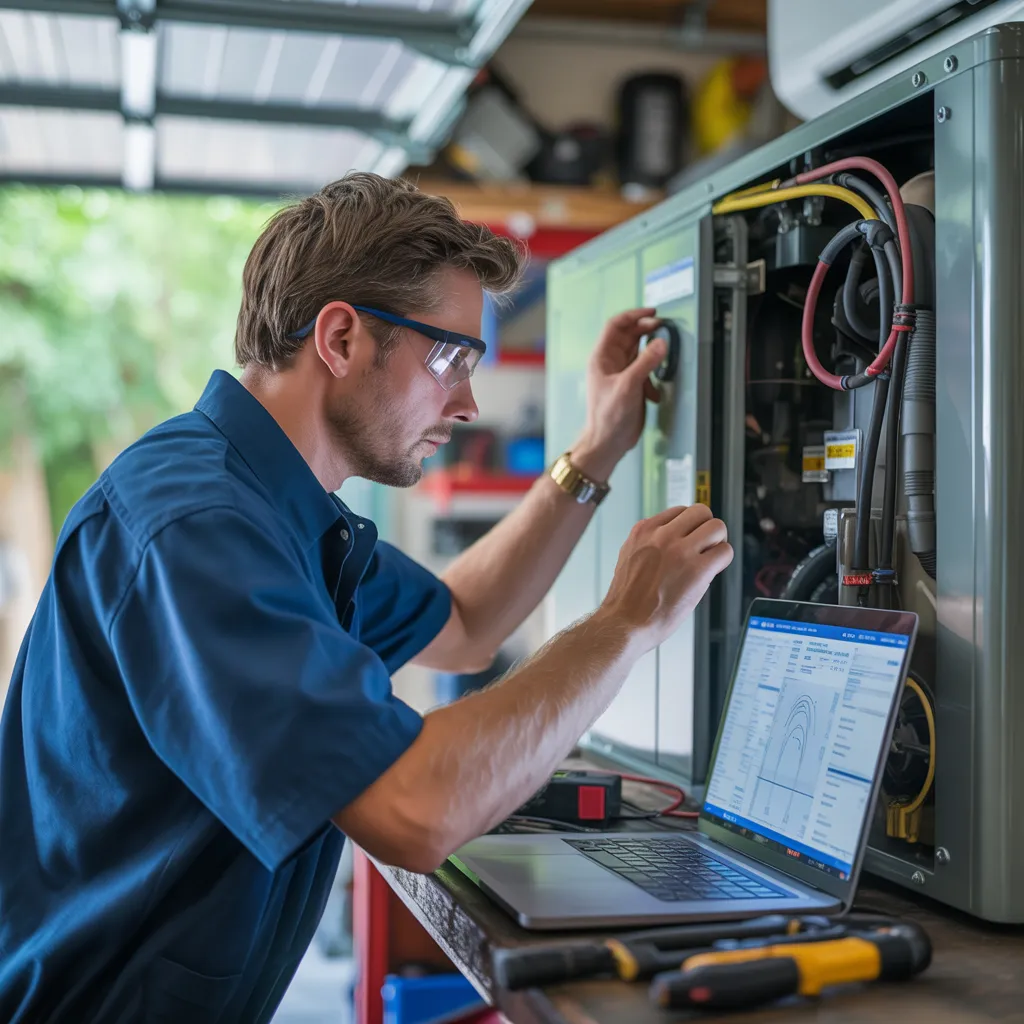
Learning About Your HVAC System Elements
An HVAC system is a complex assembly of components designed to regulate indoor climate effectively. The system's core typically includes a heating unit such as a furnace or heat pump, an air conditioning system for cooling, and ventilation components to preserve air quality. Furnaces generate heat by igniting fuel or using electricity, while air conditioners cool and dehumidify the air. The ventilation system includes ducts, which distribute conditioned air throughout the space and return stale air for reconditioning. Thermostats play an essential role, allowing users to set desired temperatures and control system operations. Moreover, filters are essential for collecting dust, allergens, and pollutants, maintaining clean air distribution. Knowledge of these components assists homeowners in understanding how their HVAC system works and supports knowledgeable decisions about maintenance and system enhancements. In the end, properly maintained HVAC systems improve comfort and energy efficiency in all indoor spaces.
Frequent HVAC Problems and Their Signs
How do homeowners identify common HVAC problems before they escalate? Recognizing symptoms early can avert costly repairs and ensure peak system performance. One typical issue is inadequate heating or cooling, suggesting potential problems with the thermostat or refrigerant levels. Homeowners may also hear unusual noises, such as banging or hissing, which could signal mechanical issues or airflow restrictions.
A further typical sign is increased energy bills without a corresponding surge in usage; this might point to inefficiencies within the system. Furthermore, if there are unusual odors, especially a burning smell, this could indicate serious electrical problems.
Lastly, frequent cycling on and off can point to an issue with the compressor or a refrigerant leak. By remaining vigilant and aware of these symptoms, homeowners can handle HVAC issues swiftly, in turn lengthening the system's lifespan and ensuring a pleasant living environment.
DIY Fixes: When to Take Care of It Yourself
When contemplating DIY repairs for HVAC systems, individuals must first gauge their skill level to safeguard safety and effectiveness. Typical repairs, such as switching out filters or resetting thermostats, can often be handled without professional assistance. However, recognizing one's limits is crucial to avoid aggravating issues that may necessitate expert intervention.
Evaluating Your Skill Level
Establishing whether to pursue HVAC repairs personally often copyrights on one's skill level and experience. Individuals must first appraise their knowledge of HVAC systems, as a core knowledge can significantly influence their ability to diagnose and fix issues. Basic mechanical aptitudes, familiarity with tools, and past repair experiences can allow some homeowners to address minor repairs. Conversely, those deficient in this expertise may discover themselves overwhelmed, risking further damage or safety hazards. Furthermore, it is vital to consider the complexity of the repair under consideration; complex systems often necessitate professional intervention. Ultimately, examining one's comfort level and technical competence is vital in making an informed decision about DIY HVAC repairs.
Typical DIY Fixes
For individuals with a good understanding of HVAC systems and basic repair abilities, certain common DIY repairs can be manageable and cost-effective. Tasks such as replacing air filters, cleaning condenser coils, and unclogging drainage lines are often within the capabilities of a handy homeowner. Furthermore, checking thermostat settings and recalibrating them can enhance system efficiency without professional assistance. However, it is essential to recognize limitations; more complex issues, such as refrigerant leaks or electrical problems, should be left to licensed technicians. By addressing minor repairs themselves, homeowners can preserve their systems efficiently and potentially prolong the lifespan of their HVAC units, all while saving on service costs. Thorough assessment of each situation will guide appropriate DIY efforts.
Importance of Consistent Maintenance
Consistent maintenance of HVAC systems plays an essential role in ensuring effectiveness and extended lifespan. By adopting routine servicing, homeowners can take advantage of financially sound strategies that lower the possibility of pricey restoration work. As a result, a regularly maintained system boosts functionality and increases longevity, delivering confidence and assurance for residents.
Preventative Healthcare Advantages
While many homeowners may overlook the importance of regular maintenance, emphasizing preventative care for HVAC systems can produce considerable long-term rewards. Periodic inspections and servicing can improve system effectiveness, guaranteeing superior performance and comfort. Routine maintenance aids in detecting potential issues before they escalate into costly repairs, thereby prolonging the lifespan of the equipment. Furthermore, clean filters and well-maintained components improve indoor air quality, contributing to a healthier living environment. Regular check-ups also optimize energy consumption, which can lead to lower utility bills. Overall, investing time and resources into routine upkeep not only secures HVAC systems but also boosts overall home comfort and efficiency, ultimately providing peace of mind for homeowners.
Affordable Solutions
Preserving HVAC systems is not merely about guaranteeing comfort and efficiency; it also presents a variety of cost-effective solutions that can help homeowners money in the long run. Regular maintenance, such as changing filters and cleaning coils, prevents system overwork, thereby lowering energy costs. Prompt inspections help detect potential issues before they grow into costly repairs. Additionally, maintaining proper insulation and sealing ductwork can boost system performance while reducing energy expenditures. Homeowners may also profit from scheduling maintenance during off-peak seasons, often resulting in lower service rates. By investing in routine care, individuals can enhance their HVAC systems' efficiency, minimize unexpected expenses, and increase the lifespan of their equipment without facing significant costs.
Improved System Lifespan
Allocating resources to routine maintenance substantially extends the longevity of HVAC systems. Regular check-ups permit technicians to identify and address minor issues before they escalate into costly repairs. By replacing filters, inspecting ductwork, and ensuring proper refrigerant levels, these maintenance tasks improve system performance and avoid breakdowns. Additionally, consistent servicing encourages energy efficiency, which can decrease utility bills and extend equipment life. It is crucial to adhere to manufacturer recommendations regarding maintenance schedules. Ignoring these practices can cause premature system failure and reduced indoor air quality. Ultimately, prioritizing regular maintenance not only preserves the functionality of HVAC systems but also contributes to a comfortable living environment and substantial cost savings over time.
Enhancing Energy Efficiency in Your HVAC System
To increase energy efficiency in an HVAC system, homeowners must consider numerous factors that contribute to optimal performance. Regular maintenance is vital; this includes switching out air filters every one to three months to ensure optimal airflow and reduce strain on the system. Properly sealing ducts can also decrease energy losses, ensuring that heated or cooled air reaches targeted spaces without leakage.
In addition, programming thermostats to match occupancy patterns can greatly lower energy consumption. Utilizing ceiling fans in conjunction with the HVAC system can assist in move air more effectively, boosting comfort without straining the unit.
In conclusion, ensuring proper insulation in the home eliminates energy loss, allowing the HVAC system to sustain desired temperatures with less effort. By concentrating on these strategies, homeowners can achieve a more energy-efficient HVAC system, leading to reduced utility bills and a smaller environmental footprint.
Improving Your HVAC System: What to Think About
When evaluating an upgrade to an HVAC system, homeowners should examine several key factors that influence both performance and efficiency. First, evaluating the size of the home is critical, as an improperly sized unit can result in inefficiency and discomfort. Energy efficiency ratings, such as SEER and AFUE, should also be considered to guarantee long-term savings on energy bills. Additionally, homeowners must evaluate the type of system—whether a heat pump, furnace, or central air conditioning unit best suits their needs.
Financial limitations have a substantial impact in decision-making, as greater initial expenses can be offset by lower operational expenses. Furthermore, compatibility with existing ductwork and other systems should be evaluated to avoid costly modifications. Finally, exploring smart technology options can improve control over energy usage. By evaluating these factors, homeowners can make educated choices about upgrading their HVAC systems effectively.
When to Reach Out to a Professional for Support
How do property owners identify the appropriate time to request expert support for their HVAC concerns? Recognizing the signs of potential HVAC issues is vital. If the equipment demonstrates peculiar sounds, ongoing odors, or unstable temperatures, it may suggest fundamental defects demanding expert evaluation. Additionally, if energy bills surge unexpectedly, it could signal inefficiency that a professional can address.
Furthermore, homeowners should look into professional help when routine maintenance activities, such as filter updates or system examinations, are overlooked. If the system consistently cycles on and off or is unable to maintain the desired temperature, these indicators necessitate immediate attention from an HVAC expert.
In conclusion, when encountering complex repairs or system replacements, relying on a trained expert can provide proper diagnosis and effective solutions, consequently maximizing the longevity of the HVAC system. Identifying these indicators can help preserve maximum performance and comfort in the home.
Common Questions
How Regularly Should I Change My HVAC Air Filters?
HVAC air filters need to be replaced typically every 1-3 months, according to usage patterns and the filter type. Consistent replacement assists in maintaining excellent air quality and system efficiency, reducing strain on the HVAC system.
How Long Does an Average HVAC System Last?
The typical lifespan of an HVAC system generally ranges from 15 to 25 years, contingent upon factors such as maintenance, usage, and installation quality. Routine maintenance can greatly lengthen its operational life and efficiency.
Is Self-Installation of an HVAC System Feasible?
Putting in an HVAC system on your own is doable but typically not suggested. It necessitates specialized expertise and tools. Improper installation can cause inefficiency, safety hazards, and likely voiding of warranties, eventually making more difficult future repairs.
How Do I Determine if My HVAC Is Energy Efficient?
To assess if an HVAC system is energy efficient, http://bpiheatingandcooling.com/ it's important to review the SEER rating, inspect for appropriate insulation and duct sealing, analyze energy bills for variations, and pursue professional energy audits for detailed assessments.
What Signs Indicate a Refrigerant Leak?
Symptoms of a refrigerant leak include lowered cooling performance, bubbling or hissing noises, ice accumulation on coils, and higher energy consumption. Observing these signs can help recognize the need for professional HVAC service and repair.